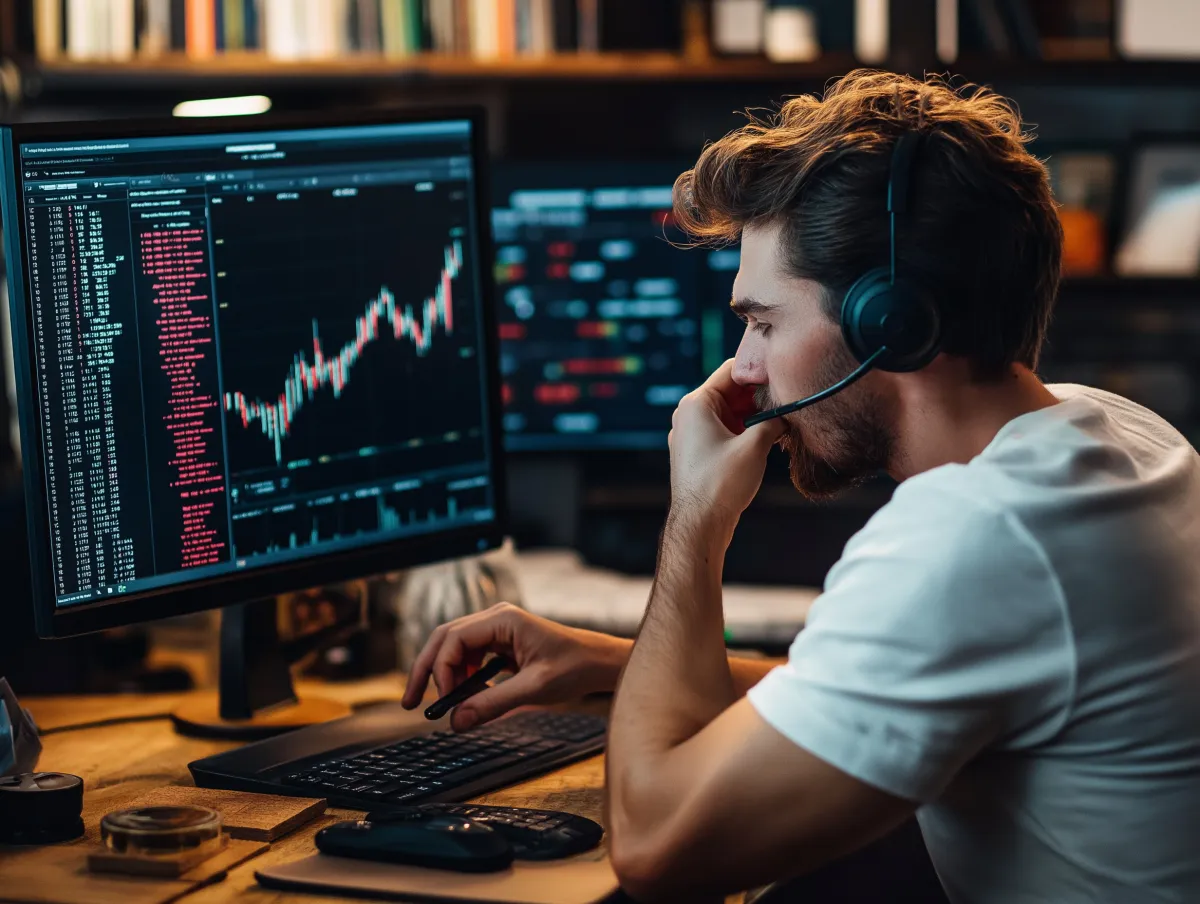
Discover the world of network fees—those unavoidable charges that come with moving digital assets. When sending an asset through a blockchain system, you’ll notice a fee is required. This isn’t simply an expense, but compensation for the computational power and resources that network contributors provide. Known as 'gas' in many systems, these fees help maintain network security by deterring spam transactions and rewarding active participants who keep everything running smoothly.
So, why do these fees fluctuate? Their cost depends on demand. If the network is busy, fees tend to rise. During less active periods, costs can be minimal. The rules for setting fees are built into the system, automatically adjusting based on current activity. While these charges can sometimes seem confusing or even frustrating, they ensure that network activity remains measured and sustainable.
Analytical reviews and an openness to learning are valuable for understanding why such mechanisms exist and how they shape digital experiences.
How do you calculate or anticipate what you’ll pay for your transfer? Most systems provide clear estimates before you confirm a transaction, so you can see the cost upfront. These calculations can involve the amount of data processed, the complexity of your transaction, and the real-time demand on network resources.
- 'Gas' often refers to the specific cost to execute or validate a transaction.
- Transaction fees are the result of combining gas price and transaction complexity.
Are there ways to manage or reduce network fees? While individual users have limited control over global network congestion, some practical steps can help. Avoid peak activity times, and make sure to double-check fee estimates shown in wallet applications. Some networks allow for user-defined fee settings—choosing a lower fee may mean slower processing, but can save resources if you aren’t in a hurry. Staying informed about fee structures, system updates, and understanding the risks involved is key. Results may vary, and the value of digital assets can shift rapidly. Responsible choices and ongoing curiosity are the best guides as you navigate network fees.